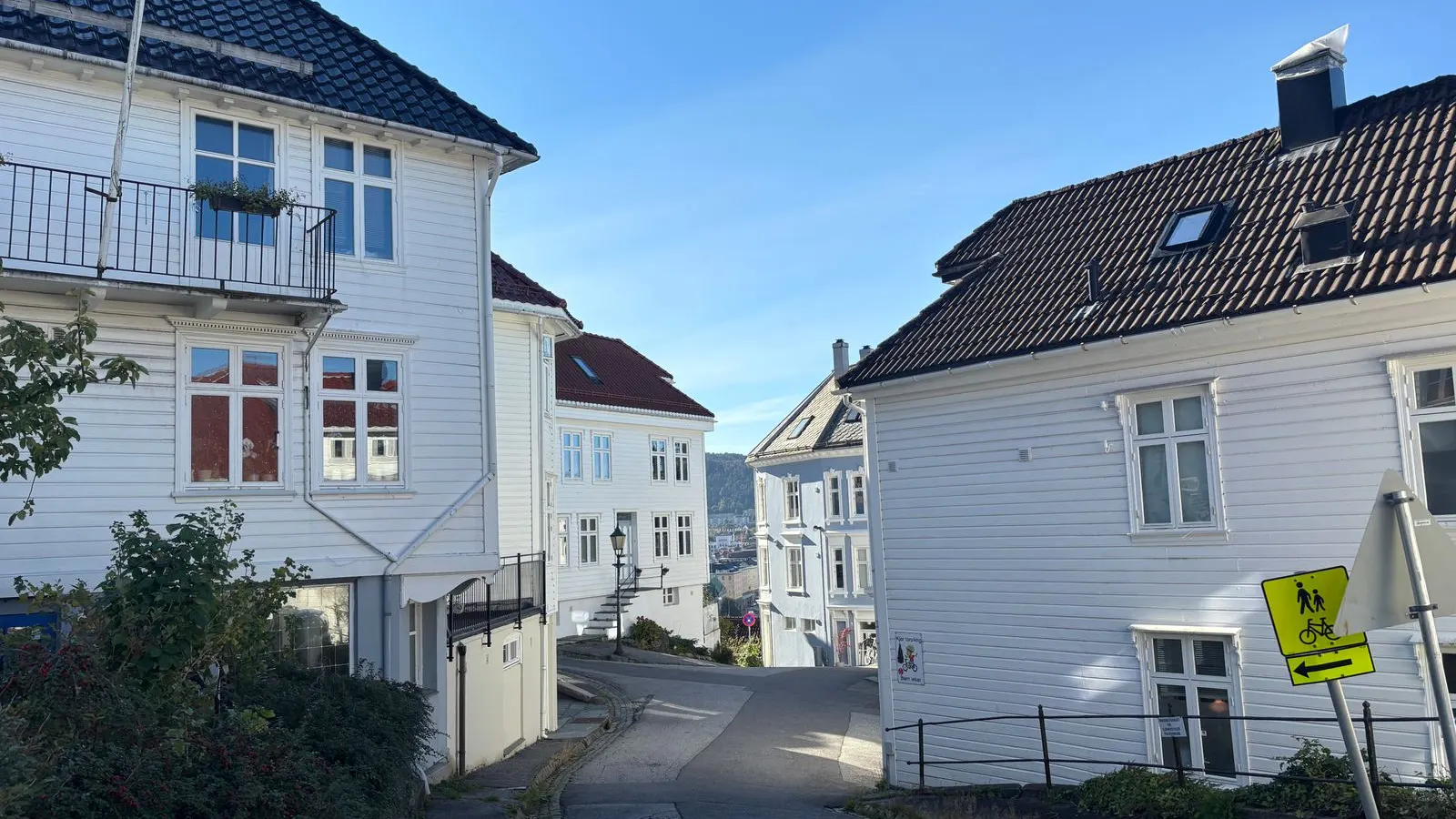
Yes, foreigners can generally buy an ordinary house or apartment in Norway. You do not normally need Norwegian citizenship to own a home, and living abroad is not, by itself, a blanket bar to buying. However, the right to buy is only the starting point. Local land-use rules, financing, identification and the property’s ownership structure can all affect what happens next.
If you are exploring property Norway opportunities, begin with the life you want the home to support. A ski apartment for short visits raises different questions from a family house for permanent relocation. This guide explains the main checks for an overseas buyer, including British citizens. It is general information, not a substitute for legal advice on a particular address.
OWNING A HOME IS NOT A RESIDENCE PERMIT
The most important distinction is between property ownership and immigration permission. Buying a Norwegian home does not automatically let you live in the country indefinitely, work there or obtain citizenship. Your travel and residence position depends on nationality, existing rights and the rules that apply to your circumstances.
For a British buyer without a separate residence right, a holiday home must fit within the permitted visit arrangements. A plan to relocate needs a qualifying residence route considered separately. Our guide to moving to Norway from the UK explains the difference. Resolve that question before assuming a purchase can become your permanent address or a base for full-time remote work.
WHICH PROPERTIES NEED EXTRA CHECKS?
Ordinary residential property is different from agricultural land, certain larger rural holdings and homes subject to local restrictions. Norway’s concession system can require permission or a declaration of exemption. Some municipalities also have rules intended to preserve homes for year-round occupation. The exact position must be checked for the property, not inferred from a general description of foreign ownership.
Ask the municipality and your adviser about concession status, residence obligations, approved use and any limits on converting a home into holiday accommodation. A cabin marketed for leisure use should not simply be assumed suitable for permanent residence. Equally, an attractive village house is not automatically unrestricted because it looks like a conventional home. Get a clear written answer before making a binding commitment.
UNDERSTAND WHAT YOU ARE BUYING
Norwegian listings use ownership terms worth learning early. A self-owned property, often described as selveier, involves a different legal structure from an interest in a housing cooperative, or borettslag. In a cooperative, you buy a share with an associated right to occupy a dwelling, rather than acquiring the apartment in precisely the same way as freehold real estate.
That distinction affects documents, purchase costs and sometimes letting or occupation. Shared debt and monthly charges can also change the real financial picture. Read the association’s accounts, budgets, rules and planned maintenance. Do not compare two homes using only their advertised asking prices if one includes a substantial allocation of joint debt or a different package of ongoing obligations.
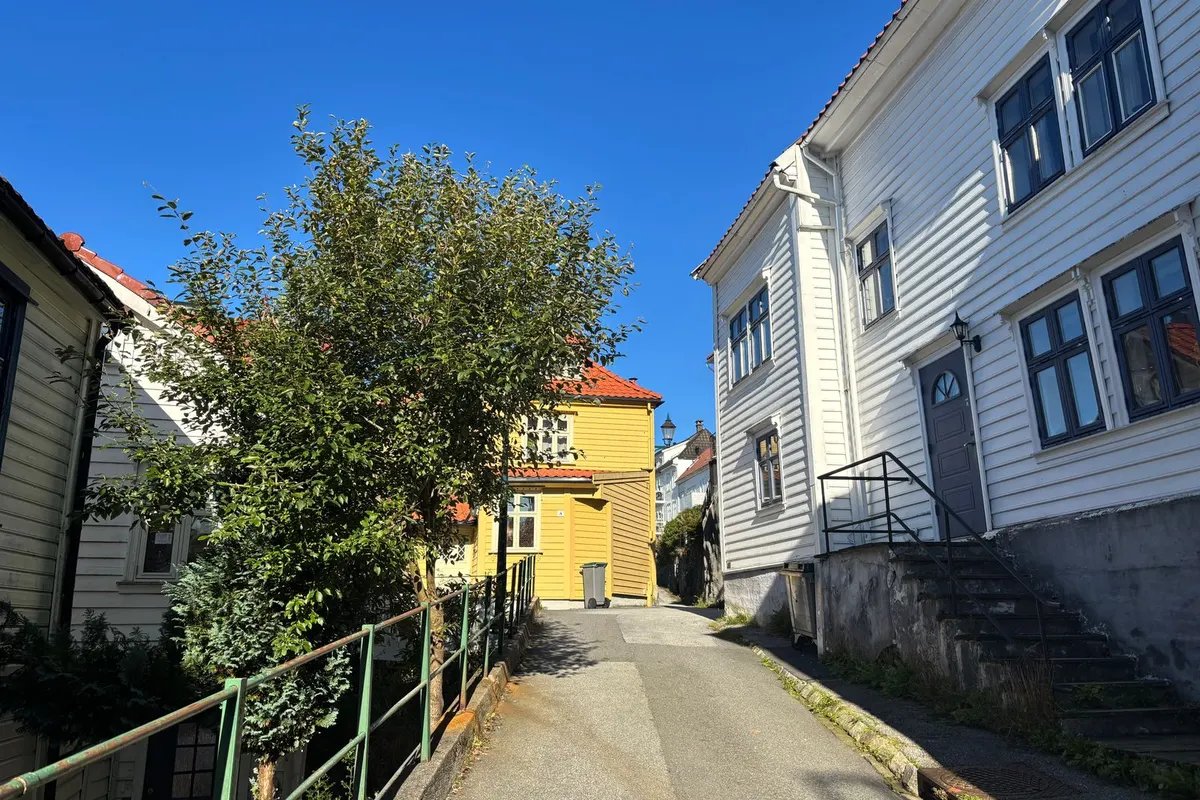
CAN A FOREIGNER GET A NORWEGIAN MORTGAGE?
Potentially, but eligibility to buy and eligibility to borrow are separate issues. Banks assess income, existing debt, available equity, affordability, identity and the source of funds. A non-resident earning in another currency may face a different process from someone with established Norwegian employment and a local financial history.
Speak to lenders before choosing a maximum offer. Ask what evidence they need, which income they accept and how they treat exchange-rate risk. Do not rely on a general deposit percentage quoted online as a promise of funding. A financing certificate, where available, helps establish a workable search range. Cash buyers still need to satisfy identification and anti-money-laundering checks and allow enough time for settlement arrangements.
IDENTIFICATION, D-NUMBERS AND BANKING
Foreign buyers may need a Norwegian identification number for registration and related administration. Kartverket, the Norwegian Mapping Authority, explains that it can obtain a D-number for foreign nationals who require one in connection with land registration. Follow the documented process rather than assuming that a property agent can bypass the requirements.
A D-number is not the same as a residence permit, a tax-residence decision or automatic access to every banking service. Banks make their own customer checks. Prepare a valid passport, address evidence and a clear record of where the purchase money comes from. Ask whether translations, certified copies or additional forms are required, especially if you will sign documents or arrange payments from outside Norway.
VIEWINGS AND THE DOCUMENTS THAT MATTER
A Norwegian sales prospectus, or salgsoppgave, and the technical condition report, or tilstandsrapport, deserve careful attention before bidding. They are not optional background reading. Together with the title information and other sale documents, they help explain what is included, what defects are disclosed and which obligations may follow ownership.
Visit the property where possible. Check damp, ventilation, roof condition, drainage, access, heating and the practical layout. For mountain homes, look at snow clearance, parking, equipment storage and the actual route to the slopes. If technical language is unfamiliar, pay for a suitable translation or independent professional explanation. A few unresolved terms in a report can be more important than a beautifully presented living room.
HOW BIDDING AND ACCEPTANCE WORK
Do not assume the buying process follows the UK model. Bids are submitted through the appropriate process, normally in writing to the estate agent, and can become binding without a later exchange of contracts in the British sense. Understand your bid’s deadline and conditions before you send it. Ask your adviser exactly when you are committed.
The City of Oslo’s official home-buying guide offers a useful, positive introduction to listings, viewings, financing and bidding. It also explains the two common ownership forms. Use that overview to prepare, then obtain property-specific advice. A seller’s agent can answer questions, but that does not remove the value of independent representation where you need it.
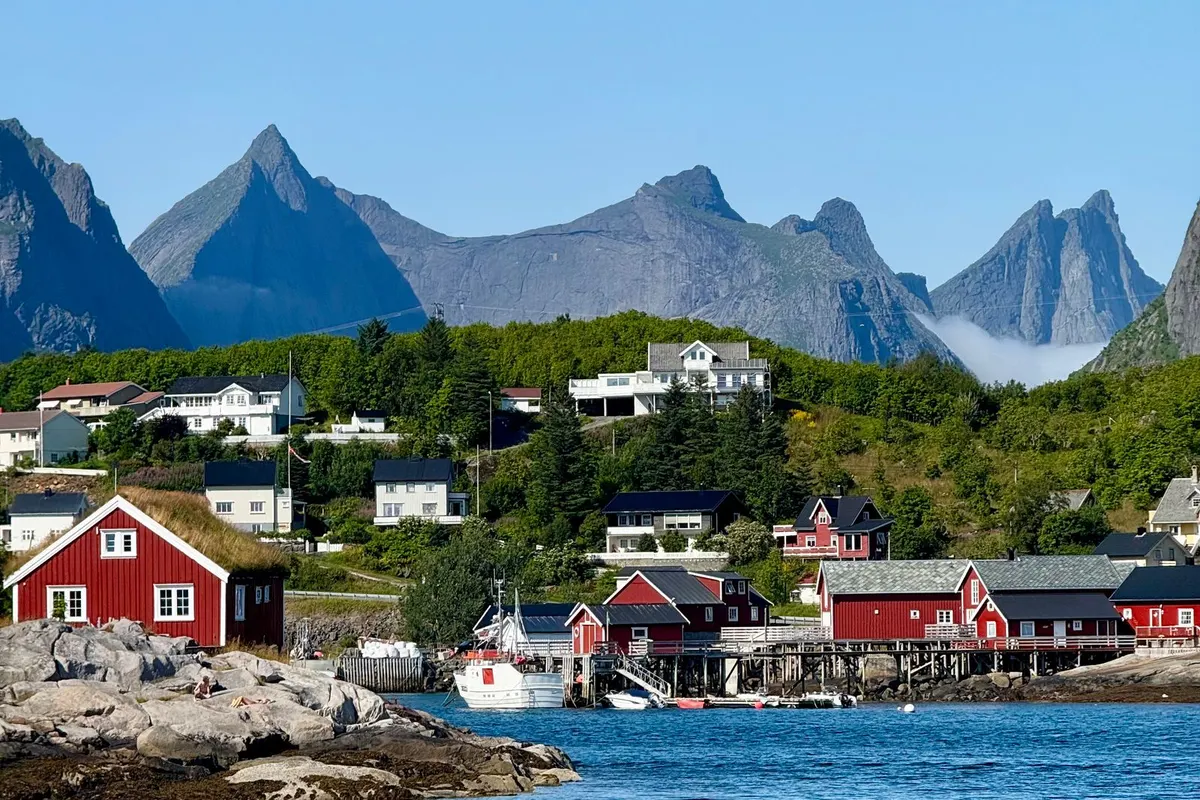
DOCUMENT TAX AND OTHER PURCHASE COSTS
For a typical transfer of freehold real estate, document tax is generally 2.5% of the property’s market value at registration, subject to applicable exemptions and special cases. That means a NOK 5 million taxable value would produce NOK 125,000 of document tax alone. This is an arithmetic example, not an estimate of the price of a typical Norwegian home.
Allow for registration fees, legal assistance, inspections, translations, financing and currency transfer costs as relevant. Cooperative purchases generally do not carry document tax in the same way, but their wider financial obligations still need review. New-build arrangements may have a different tax basis. Ask for a written completion statement rather than adding one standard percentage to every listing and assuming the budget is complete.
REGISTRATION AND HANDOVER
Kartverket’s official guidance on transferring property explains deeds, registration and the need to clarify concession matters with the municipality. Registered title is an important part of establishing ownership. Your settlement professional should explain the payment, registration and security arrangements that apply to your transaction.
Before handover, agree how the condition of the home will be checked and recorded. Confirm keys, included items, meter readings, insurance start dates and any agreed remedial work. If you cannot attend, arrange appropriate representation in advance. Never send completion funds to a changed bank account on the strength of an unverified email; confirm payment instructions using an independently established contact method.
PLAN FOR THE COST OF KEEPING THE HOME
Ownership continues after the purchase price is paid. Budget for electricity, insurance, municipal charges, maintenance and any property tax or communal costs that apply. A holiday home may also require remote monitoring, snow clearance or a local keyholder. Find out who deals with a frozen pipe or a failed heater when you are abroad.
Read our guide to house prices and buying costs in Norway for the broader budget. Then distinguish a second-home budget from full-time household spending. If you plan to relocate, our Norway versus UK living-cost comparison helps you consider food, transport and income alongside housing.
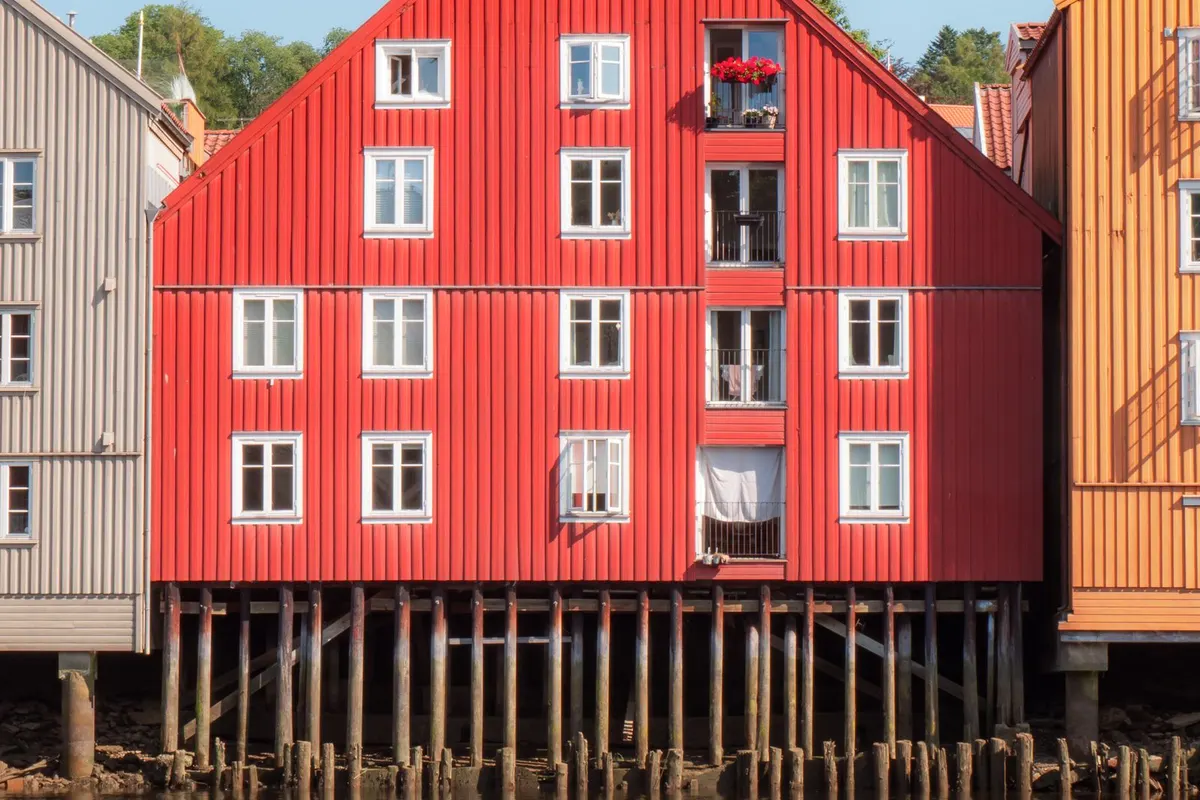
CAN YOU LET THE PROPERTY WHEN YOU ARE AWAY?
Do not assume that foreign ownership includes an unrestricted right to holiday-let. The ownership form, building rules, local requirements and the nature of the letting may all matter. Some developments may have specific arrangements or obligations. Confirm the position with the relevant association, municipality and professional adviser before building a business case around rental income.
Ask for a realistic net forecast if income is important. Management fees, cleaning, utilities, repairs, vacant weeks and tax can materially change the result. Historic occupancy is not a guarantee of future bookings. Choose a property you can afford under a cautious scenario, rather than depending on an optimistic estimate to make the monthly payments work.
COMMON MISTAKES OVERSEAS BUYERS CAN AVOID
The first mistake is treating a purchase as a route to residence. The second is bidding before finance and legal questions are settled. A third is taking terms such as ski-in, ski-out, cabin or apartment as a complete description of legal use and practical convenience. Each needs checking against the documents and the actual location.
Another mistake is spending the entire available budget on the headline price. Keep funds for transaction costs and a sensible reserve. Consider how easily you could maintain or sell the property if your plans change. Finally, do not allow a short viewing trip to create artificial urgency. It is better to miss one home than to commit before you understand what you are buying.
A PRACTICAL ROUTE FROM INTEREST TO SHORTLIST
There are several ways to make an initial viewing trip more productive. Ask for the sales documents before travelling, not on the day you arrive. Send a short list of questions about use, ownership, condition and charges, and ask which answers are supported by documents. This leaves more time at the viewing to test the layout and setting rather than translate basic terms.
Plan the visit around ordinary tasks as well. Walk to the nearest useful shop, check the parking space and look at the access road. In a resort, find the lesson meeting point and the return route from the mountain. A property that works smoothly for your household can be a better choice than one with a more impressive photograph but awkward daily arrangements.
If you will share the purchase with a partner or relatives, agree the ownership shares, contributions and practical use before bidding. Discuss what would happen if one person wanted to sell, became unable to travel or stopped contributing to expenses. Your adviser can explain suitable documentation. Clear arrangements at the beginning are often easier than resolving a disagreement after the home has become part of family life.
Start by writing down your intended use, preferred region, travel pattern and all-in budget. Establish whether you need immigration advice and whether financing is realistic. Then shortlist homes with the right legal use, ownership form and ongoing costs. At each stage, replace assumptions with documents, clear answers and advice from qualified Norwegian professionals.
Property Norway can help you explore its Norwegian mountain homes and ski apartments and identify the questions worth taking to the relevant professionals. If you are ready to compare suitable options, enquire about buying a Norwegian property as an overseas buyer. Tell us your budget in NOK, whether you need finance and whether the home is for holidays or relocation. That makes the conversation more useful from the outset.
SOURCES AND IMPORTANT LIMITS
Researched in November 2026 using the City of Oslo’s newcomer guidance, Kartverket’s transfer and identification information, and UDI’s residence guidance. Rules, fees, lending decisions and local restrictions can change. This article concerns the general position for ordinary property purchases; it is not confirmation that a specific property or buyer qualifies. Obtain independent legal, tax, financial and immigration advice where appropriate before bidding or transferring funds.
Keep exploring.